
Smallholder farms produce 80% of Africa’s food, yet less than 10% are fully mechanized. In 2026, the gap between traditional manual labor and modern efficiency is closing, but only for farmers who choose the right machinery. If you are reading this, you are likely asking the critical questions: Does a 50HP tractor have enough grip for wet Kenyan clay? Do you need 4WD torque for Ethiopian teff plots on steep highlands? Or perhaps you are looking for fuel efficiency to navigate the scarcity issues in rural Nigeria.
At AECo Tractors, we understand that African agriculture isn’t just about horsepower; it’s about drawbar pull, heat resistance, and parts availability. Whether you are farming maize in the Rift Valley or managing a coffee estate in Tanzania, your tractor needs to be a survival tool as much as a farming implement.
This guide cuts through the noise of 2026 marketing. We analyze the best export-ready models suited for African soil profiles, break down total cost of ownership, and show you how importing directly from the UAE can save you up to 15% compared to local dealer markups.
Ready to modernize your yield? Browse our export-ready stock immediately.
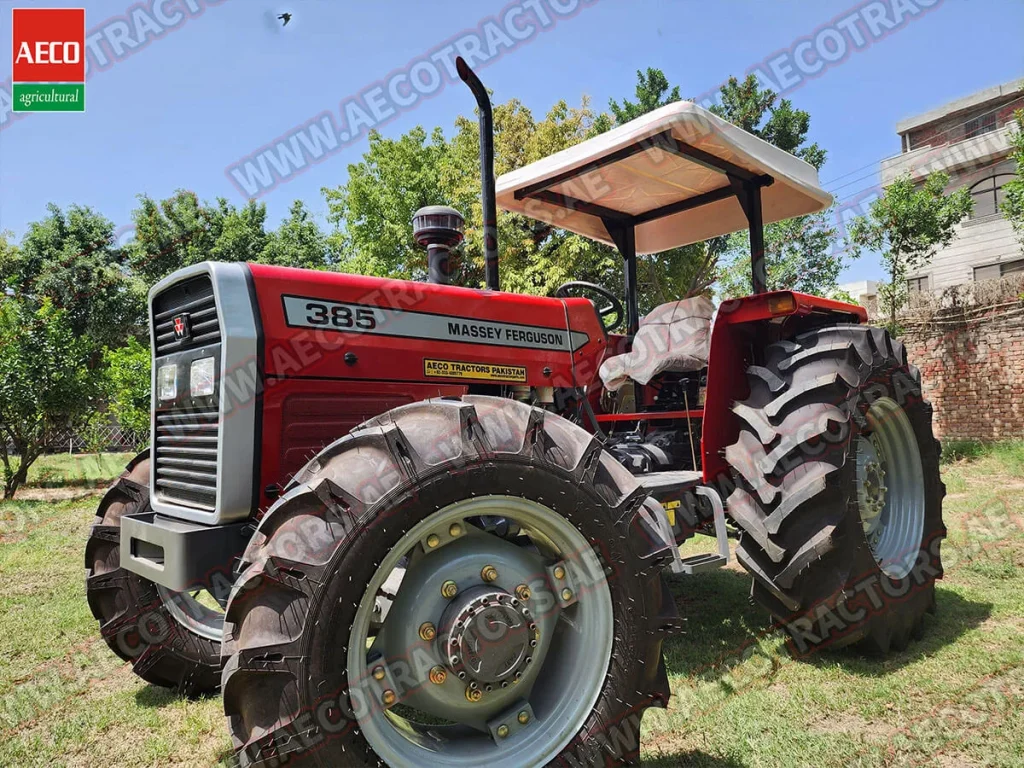
African Small Farm Challenges: Why Import Tractors Excel
Farming in Africa presents a unique set of agronomic and logistical hurdles that European or American-spec tractors often fail to address. The “generic” tractor breaks down under the harsh reality of the Harmattan dust or the torrential tropical rains. In 2026, smart procurement means matching your machine to the following realities:
1. Soil Composition and Compaction
In regions like Kenya and Ethiopia, red laterite clay becomes incredibly sticky when wet and rock-hard when dry. A light tractor will slip, while an overly heavy one causes deep soil compaction, ruining root aeration for crops like maize and wheat. You need a tractor with a high power-to-weight ratio and diff-lock capabilities to prevent bogging down.
2. Topography and Erosion
From the rocky terrains of South Africa to the erosion gullies common in Nigerian yam belts, standard axles often snap. The 2026 export models we stock feature reinforced front axles and higher ground clearance to straddle ridges without damaging the undercarriage.
3. Operational Resilience
With erratic power grids and fuel scarcity in remote regions, high-tech electronic control units (ECUs) are a liability. The best tractors for African small farms remain mechanical—easy to fix with basic tools under a tree in Kaduna, not requiring a laptop in a dealership in Lagos.
| Challenge | Region Example | Engineering Fix | Recommended Model |
|---|---|---|---|
| Seasonal Flooding/Mud | Nigeria (Niger Delta), Ghana | High Ground Clearance & 4WD | MF 385 4WD |
| Red Clay Compaction | Kenya (Rift Valley), Uganda | Optimized Power-to-Weight Ratio | MF 375E |
| Rocky/Hilly Terrain | South Africa, Ethiopia | Short Wheelbase & Heavy Draft Control | MF 290 |
| Fuel Scarcity | Rural Zimbabwe, Malawi | Simpson S325/S440 High-Efficiency Engine | MF 260 |
Essential Specs for African Conditions 2026
When reviewing spec sheets for affordable tractors for Kenya maize farms or equipment for Nigerian yam ridges, ignore the flashy extras like air-conditioned cabins unless you are a large estate. Focus on the powertrain and hydraulics. Here is what defines a “farm-hardened” tractor in 2026.
Horsepower by Plot Size
Overbuying horsepower wastes fuel; underbuying destroys the engine. Use this 2026 rule of thumb for African mixed farming:
- Small Plots (< 2 Hectares): 40-50 HP. Ideal for rotavators, light ploughing, and transport. Target: Vegetable gardens, small cassava plots.
- Medium Farms (2-10 Hectares): 60-80 HP. The “sweet spot” for versatility. Capable of driving 3-disc ploughs and running PTO-driven water pumps. Target: Maize, wheat, dairy fodder.
- Commercial Estates (> 10 Hectares): 90+ HP. Required for subsoilers, heavy harrowing, and large-scale harvesting. Target: Coffee, tea, sugar cane.
Critical Components for Longevity
1. Wet-Clutch Differentials & Oil-Immersed Brakes: Dry brakes overheat in the African sun and wear out quickly in dusty conditions. Oil-immersed disc brakes are non-negotiable for low maintenance.
2. Dust-Sealed Air Filtration: Look for dual-stage dry air cleaners with restriction indicators. Fine dust in the Sahel can destroy an engine in weeks without proper filtration.
3. 540 RPM PTO with Independent Control: Essential for running threshers, irrigation pumps, and generators—dual-purpose usage is key for ROI.
2026 Trends: Smart Tech for Remote Areas
While we advocate for mechanical simplicity, 2026 brings useful innovations. We are seeing a rise in solar-assisted battery trickle chargers integrated into tractor roofs to prevent dead batteries in off-grid operations. Furthermore, many new Massey Ferguson models are now fully compatible with B20 biodiesel, supporting farmers processing their own crop waste into fuel.
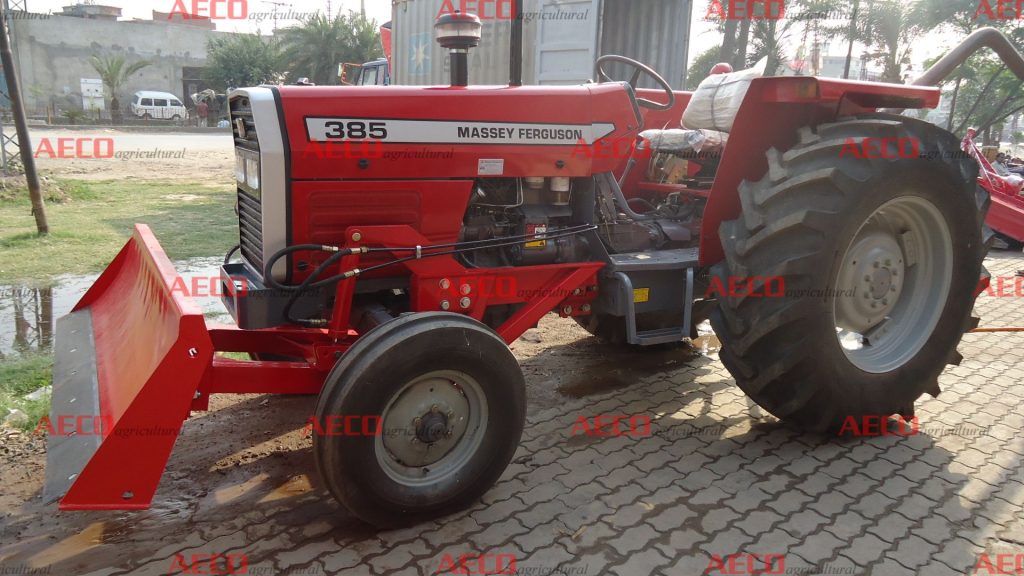
Top 5 Tractor Picks for African Farms (2026 Edition)
Based on export volume, parts availability, and field performance, these are the top contenders for the 2026 season. We ship these directly from our UAE hub to Mombasa, Lagos, Dar es Salaam, and Durban.
1. Massey Ferguson MF 260 (2WD): The Economical Workhorse
Power: 60 HP Turbocharged Best For: Haulage, light cultivation, and rice paddies.
The MF 260 remains the king of fuel efficiency. Its turbocharged engine delivers surprising torque for a compact frame. It is particularly popular in Tanzania’s rice growing regions due to its light footprint, which prevents it from sinking in semi-wet paddies.
- Pros: Lowest fuel consumption in its class; parts are interchangeable with older models.
- Cons: Basic operator station; lacks the weight for heavy subsoiling.
- African Fit: Perfect for intercropping between trees where tight turning circles are needed.
Export Deal: Request a quote for MF 260 (Shipping to Kenya/Tanzania).
2. Massey Ferguson MF 375E: The Rift Valley Specialist
Power: 75 HP Best For: Hard soil ploughing, maize farming, and baling.
The “E” stands for Endurance. This tractor is built to handle the red clay compaction of East Africa. With a heavier chassis than the 260, it provides better traction for 3-disc ploughs without needing 4WD in dry conditions. The hydrostatic power steering reduces operator fatigue during long shifts in the hot sun.
- Pros: High torque backup; robust hydraulic lift capacity (2145 kg).
- Cons: Slightly higher fuel consumption than the 260.
- African Fit: The go-to choice for medium-scale maize farmers in Nakuru and Eldoret.
3. Massey Ferguson MF 385 4WD: The Terrain Master
Power: 85 HP Best For: Sugarcane transport, heavy mud, and steep gradients.
If you are farming in the Nigerian rain belt or the Ethiopian highlands, 2WD won’t cut it. The MF 385 4WD offers superior traction efficiency (approx. 15-20% more drawbar pull than 2WD). It features a heavy-duty front axle designed to withstand impacts from hidden rocks and stumps during land clearing.
- Pros: Unstoppable in mud; high resale value; massive lift capacity.
- Cons: Higher initial investment.
- African Fit: Essential for commercial cassava and yam operations requiring deep ridging.
Get Pricing: Check MF 385 4WD Availability.
4. John Deere 5075E (Equivalent Spec)
While we specialize in Massey Ferguson due to the ubiquity of parts in Africa, we also source equivalents to the JD 5075E. These are renowned for their operator comfort and precision hydraulics, making them favorites for precision planters in South Africa and Zambia.
5. Kubota L-Series (Compact)
For horticulture and greenhouse farming in Kenya, the compact Kubota series is rising in popularity. 2026 models feature tighter turning radiuses and PTO reversers, ideal for tight vegetable rows.
2026 Model Comparison Matrix
| Model | HP | Africa Suitability (1-10) | Primary Crop Match | Key Feature |
|---|---|---|---|---|
| MF 260 | 60 | 8/10 | Rice, Vegetables | Turbo Fuel Economy |
| MF 375E | 75 | 9/10 | Maize, Wheat | Heavy Duty Rear Axle |
| MF 385 4WD | 85 | 10/10 | Sugarcane, Yam | 4WD Traction |
| New Holland 70-56 | 85 | 8/10 | Cotton, Sorghum | Lift-o-Matic Hydraulics |
AECO EXPORT COMPANY Advantage: Unlike generic gray market imports, AECO ships with valid warranties recognized in major African hubs.
Total Ownership Costs & Returns for African Buyers
Price is always the deciding factor. However, the sticker price is just the beginning. Smart procurement involves calculating the Total Landed Cost (Machine + Shipping + Clearing).
Why Import from Pakistan?
Buying from local dealers in Nairobi or Accra often attracts a markup of 30-40% due to overheads and inventory holding costs. By purchasing directly from AECO in Pakistan and UAE:
- You save approx. 15-20% on the base unit price.
- You access fresh 2026 stock, not models that have sat in a yard for two years degrading.
- We handle the logistics to Mombasa, Durban, Tema, Dar es Salaam, or Lagos.
ROI Calculation: The MF 290 Case Study
Consider a 20-acre maize farm in Kenya. Switching from manual labor/hiring to owning an MF 290:
“An MF 290 typically recovers its cost in 15 to 18 months through yield jumps (timely planting) and rental income (ploughing for neighbors). With government subsidies like Kenya’s AGF program potentially aiding financing, the barrier to entry is lower in 2026.”
Purchase Steps & Upkeep for Remote Farms
Don’t just buy a tractor; buy a system. Here is the Aeco Tractors recommended workflow for 2026:
- Soil Test First: Verify your soil resistance. Heavy clay requires higher torque than sandy loam.
- Verify PTO Match: Ensure the tractor’s PTO speed matches your existing implements (threshers, pumps).
- Stock Critical Spares: When shipping your tractor, we recommend including a “Level 1 Service Kit” (filters, belts, gaskets). It costs little to ship inside the container but saves weeks of downtime later.
- Train On-Site: The best machine is useless without a skilled operator. Ensure your driver understands not just driving, but daily maintenance (greasing points, water separators).
Need help with training resources? Visit our Tractor Maintenance Guide.
Success Stories from African Growers
Tripling Cassava Output in Ibadan
Chinedu, a farmer in Oyo State, Nigeria, struggled with labor shortages during harvest. After importing an MF 385 with a ridge-plough attachment from AECo, he mechanized his land preparation. “The high clearance was key,” Chinedu reports. “It goes over the ridges without destroying the structure. We tripled our output in the first season because we could plant before the rains peaked.”
Coffee Estate Efficiency in Kisumu
Esther runs a cooperative in Kisumu, Kenya. They switched to the MF 375E for hauling coffee cherries. “The fuel efficiency is what saved us. Fuel prices are high, but the 375E sips diesel. We reduced our transport costs by 25% compared to the old lorries we used.”
Conclusion: Secure Your 2026 Harvest
The 2026 agricultural season in Africa will reward those who mechanize wisely. Whether you need the brute force of an MF 385 4WD for the rainy season or the agile efficiency of an MF 260 for rice paddies, the right machine is the difference between subsistence and profit.
Aeco Tractors is your partner in this transition. We don’t just sell iron; we sell capability. We handle the inspections, the modifications for African heat, and the shipping to your port.
Don’t let another season pass with manual limitations. Ship your 2026 tractor from Aeco Tractors today.
Frequently Asked Questions (FAQs)
For a 5-hectare (approx. 12 acres) maize farm in Kenya, a 60-75 HP tractor like the MF 260 or MF 375 is ideal. This power range allows for efficient ploughing and harrowing without high fuel consumption. Smaller tractors (40HP) may struggle with the heavy clay soils often found in maize belts.
Shipping costs vary based on container size and current ocean freight rates. As of 2026, a 20ft container (holding 1-2 dismantled tractors) to Lagos typically costs between US $4,500 and US $6,000. Aeco Tractors provides bulk shipping rates that can reduce per-unit costs significantly.
For many African small farms, Massey Ferguson is often preferred due to the mechanical simplicity (fewer electronics) and widespread availability of spare parts in rural areas. While John Deere offers excellent comfort and tech, MF models generally offer easier roadside repairability and lower maintenance costs in remote regions.
Yes, unlike many gray-market exporters, Aeco provides specific warranties on engine and transmission components. We work with a network of partners in major African hubs to assist with major claims, ensuring peace of mind for your 2026 investment.
Yes, the MF 385 4WD is excellent for wet conditions. However, for deep paddies, we recommend equipping the tractor with cage wheels and ensuring all seals are intact. Its high ground clearance and 4WD traction prevent it from getting bogged down where 2WD models would fail.
The Agricultural Guarantee Fund (AGF) schemes often work with local banks to de-risk lending to farmers. While Aeco Tractors is an international supplier, proforma invoices from us can often be used by Kenyan entities to secure financing through local banks participating in government agricultural support programs.